



































Google Unlocks AI-Powered Photo Editing for All Androids
Previously exclusive to Pixel phones, Google's powerful AI photo editing features are now available to all Android users. This article details how you can now use natural language commands to edit photos, powered by the Gemini AI model.

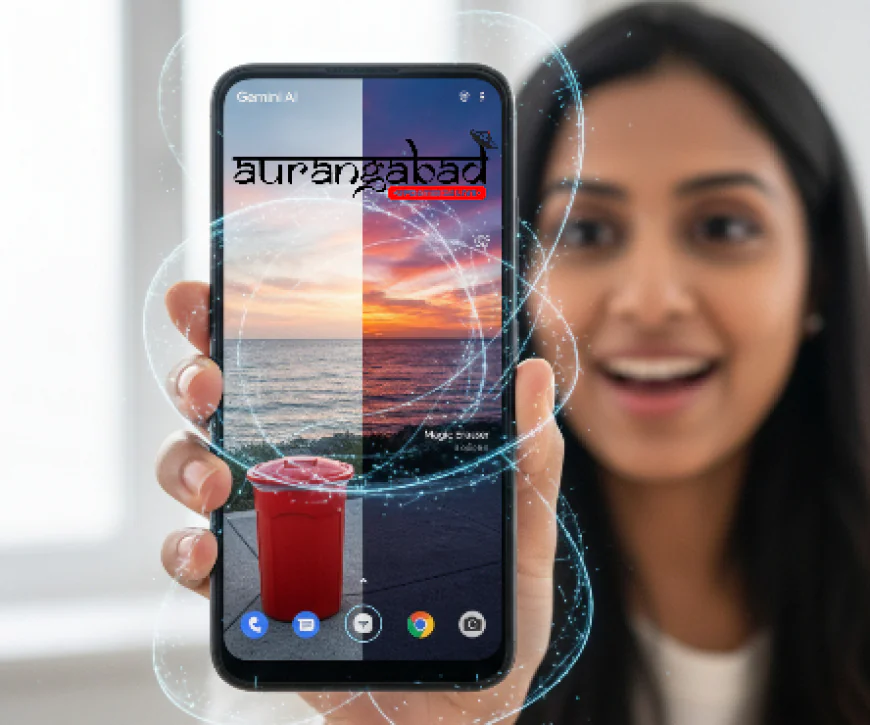
In a major move to democratize its powerful artificial intelligence tools, Google has announced that its suite of AI-powered photo editing features, once a standout exclusive for its Pixel phones, is now available to all Android smartphone users. This update is a game-changer, bringing sophisticated editing capabilities to millions of devices and redefining how we edit our photos.
At the heart of this new suite of tools is the Gemini AI model. It allows users to make complex photo edits using simple, natural language commands. Instead of fumbling through menus to find a specific tool, you can now simply tell the app what you want to do, either by voice or text.
For example, you can say, "fix the lighting in this photo," or "make the colors pop." The AI understands your request and executes it instantly, saving you time and effort. This new conversational editing feature can handle a wide range of tasks, from minor adjustments to more advanced fixes. It can clean up a busy background, remove distracting objects, or even restore old, faded photos.
The "Ask Photos" feature is particularly impressive. You can now search for specific photos using more descriptive and human-like queries. For instance, instead of just searching for "vacation photos," you can ask, "Show me my photos from last summer's trip to the beach where I'm playing with a dog." The AI will use context and content to find the exact images you're looking for. Google's move is a clear signal of its commitment to making its best AI tools available to everyone, regardless of their device. The company is also taking steps to ensure transparency in the age of AI-generated content. With the new update, Google is introducing C2PA Content Credentials support. This feature will identify images that have been created or altered using AI, helping to combat misinformation and ensuring that users know exactly what they're looking at.
This is a significant step forward for mobile photography and AI. It's a preview of a future where our devices are not just tools for capturing memories, but intelligent partners in creating them. The new features make it easier for anyone to become a skilled photo editor, and it will be exciting to see how users leverage this new power.