


































India's Economy Soars 8.2% in Q2: GDP Beats Forecasts, Rupee Gets a Rare Lift
India's economic growth surged to an impressive 8.2% in the July-September 2025 quarter, smashing forecasts and hitting a six-quarter high. This blockbuster performance, driven by robust manufacturing and consumer spending, has provided a much-needed boost to the struggling Indian rupee and sent stock markets to fresh lifetime highs. Read on for a deep dive into the numbers, the "rare lift" for the currency, and what this means for the RBI's next move.

NEW DELHI — In a stunning display of resilience and economic vitality, India’s Gross Domestic Product (GDP) accelerated to a blistering 8.2% year-on-year in the quarter ending September 2025. This figure not only shattered analysts' expectations but also marked the fastest pace of growth in six quarters, cementing India's position as the world's fastest-growing major economy.
The blockbuster data comes at a critical time for the Indian economy, which has been navigating a complex landscape of external headwinds, including looming U.S. trade tariffs and a currency that has been under persistent pressure. The release of these robust figures has injected a fresh dose of optimism into the financial markets, sending benchmark equity indices to record highs and providing a "rare lift" to the battered Indian rupee.
Shattering Expectations: The Numbers Behind the Surge
Economists and polls had largely penciled in a growth rate of around 7.3% for the second quarter of the 2025-26 fiscal year. The actual print of 8.2% has caught the market pleasantly off guard, significantly outperforming the previous quarter's 7.8% expansion.
Several key engines fired in unison to drive this impressive performance:
-
Manufacturing Resurgence: The manufacturing sector was the star performer, clocking a robust growth of 9.1%, a sharp turnaround from the 2.2% growth recorded in the same period a year ago. This surge is attributed to a combination of strong domestic demand and a strategic "front-loading" of production by exporters rushing to ship goods before punitive U.S. tariffs of up to 50% kicked in late August.
-
Consumer Confidence: Private consumption, the bedrock of the Indian economy accounting for nearly 60% of GDP, grew by 7.9%. This is a significant improvement from the 7% rise seen in the preceding quarter. The uptick reflects a revival in rural demand, supported by a good monsoon, and robust urban spending fueled by the government's recent Goods and Services Tax (GST) rationalization measures.
-
Festive Spirit: The timing of the quarter, leading up to India's major festival season, also played a crucial role. Factories ramped up output to build inventory, anticipating strong sales during Diwali and other festivals.
A "Rare Lift" for the Rupee
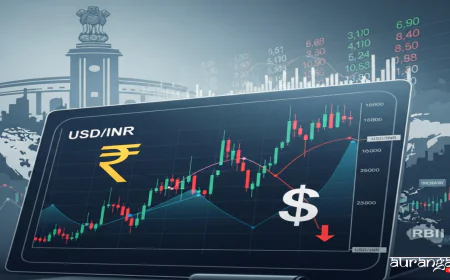
For currency traders, the GDP data served as a vital lifeline. The Indian rupee has been languishing near record lows, recently breaching the psychological 89.50 mark against the U.S. dollar due to relentless foreign fund outflows and anxiety over the delayed India-U.S. trade deal.
The stellar growth figures provided a fundamental anchor for the currency. On the first trading day following the data release, the rupee opened stronger, climbing to the 89.32-89.36 range. While the currency remains vulnerable to global dollar strength and trade policy uncertainties, analysts noted that this "blowout" economic performance changes the narrative, offering a compelling reason for foreign investors to reconsider their bearish stance on Indian assets. The strong growth trajectory suggests that the Reserve Bank of India (RBI) may not need to cut interest rates aggressively to support growth, a factor that typically supports a domestic currency.
Markets on Cloud Nine
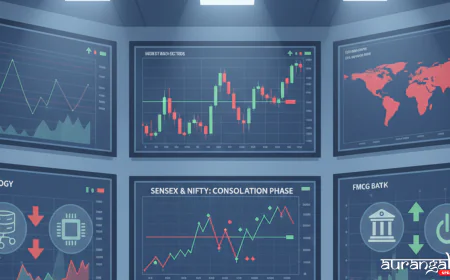
The equity markets wasted no time in celebrating the news. The benchmark BSE Sensex soared over 450 points to hit a fresh lifetime high of 86,159, while the broader NSE Nifty 50 crossed the 26,300 mark for the first time.
Sectors closely linked to the domestic economy, such as banking, automobiles, and infrastructure, led the rally. Investors are betting that the strong growth momentum will translate into better corporate earnings in the coming quarters. The upbeat sentiment was further buoyed by hopes that the government's focus on capital expenditure and reforms will continue to yield dividends.
The Road Ahead: Challenges and Opportunities
While the Q2 figures are a cause for celebration, economists advise a degree of caution for the second half of the fiscal year. The full impact of the steep U.S. tariffs on Indian exports is expected to become more visible in the October-December quarter. Additionally, the base effect—where high growth in previous periods makes future comparisons look more modest—will likely come into play.
However, the overall outlook remains overwhelmingly positive. Chief Economic Advisor V. Anantha Nageswaran expressed confidence that the full-year GDP growth will comfortably exceed 7%, surpassing the government's earlier estimates.
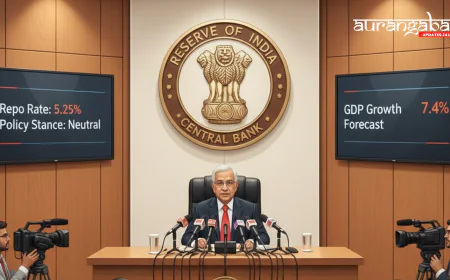
The RBI's Monetary Policy Committee (MPC), which is set to meet in early December, now faces an interesting dilemma. With inflation falling to a record low of 0.25% in October but growth firing on all cylinders, the central bank has the luxury of choice. While some experts still anticipate a token 25 basis point rate cut to support liquidity, the urgency for aggressive monetary easing has diminished given the economy's self-sustaining momentum.
In conclusion, India's latest GDP print is more than just a statistic; it is a statement of economic resilience. In a world grappling with slowdowns and geopolitical tensions, India stands out as a bright spot, with its engines of growth roaring louder than ever. For the struggling rupee and the eager investor, this is the "lift" they have been waiting for.