





















From CIA Ally to White House Suspect: The Rahmatullah Lakanwal Story
Investigate the shocking transformation of Rahmatullah Lakanwal, a former CIA-linked Afghan evacuee who is now a suspect in a White House shooting incident. This article explores his history as a US asset, the trauma of the 2021 Kabul evacuation, and the mental health crisis facing Afghan refugees.


In a startling turn of events that has reignited debates over national security, immigration vetting, and the lingering trauma of the War in Afghanistan, Rahmatullah Lakanwal, a man once trusted by American intelligence agencies, has been arrested as the primary suspect in a shooting incident near the White House. The transition of Lakanwal from a valued asset in the fight against the Taliban to a man accused of opening fire in the heart of the American capital is a complex tragedy that highlights the cracks in the US resettlement system.
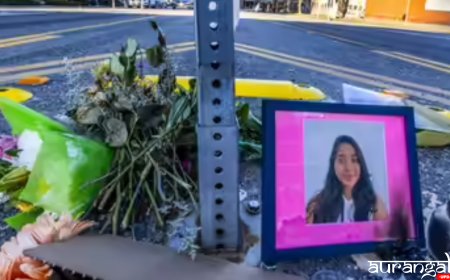
The incident occurred recently when Secret Service agents responded to reports of gunfire near the White House complex. Lakanwal was swiftly apprehended, but the revelation of his identity sent shockwaves through the intelligence community. He was not a random actor; he was one of the thousands evacuated during the chaotic US withdrawal from Kabul in August 2021.
A Past Shrouded in Secrets: The CIA Connection
Before he was a suspect in Washington D.C., Rahmatullah Lakanwal was a figure operating in the shadows of the Afghan conflict. Reports indicate that Lakanwal served as a contractor and an asset for the Central Intelligence Agency (CIA). In the rugged terrains of Afghanistan, individuals like Lakanwal were crucial. They provided intelligence, translation services, and logistical support that American operatives relied upon to navigate the complex tribal and political landscapes of the war-torn nation.
For years, Lakanwal’s life was defined by his loyalty to the US mission. He reportedly worked in high-risk environments, assisting in operations that targeted Taliban insurgents. This service placed a target on his back in his homeland, making his evacuation in 2021 not just a matter of immigration, but of life and death. When Kabul fell, the US government prioritized the extraction of assets like Lakanwal, viewing them as partners who had earned their safety through service.
The Chaos of the Kabul Airlift
The turning point in Lakanwal's life—and the beginning of his unraveling—can be traced back to the frenzied days of August 2021. As the Taliban swept into Kabul, Lakanwal was among the throngs of desperate Afghans at the Hamid Karzai International Airport. He was airlifted to safety, eventually landing in the United States with the promise of a new beginning.
However, the transition from a high-stakes war zone to the quiet, often isolating reality of civilian life in America proved to be a jarring psychological shock. Like many evacuees, Lakanwal likely arrived with little more than the clothes on his back, carrying the invisible heavy burden of Post-Traumatic Stress Disorder (PTSD) and the survivor's guilt of leaving loved ones behind.
The American Dream Turned Nightmare
Upon settling in the US, the support systems designed to integrate allies like Lakanwal appear to have faltered. While he was physically safe from the Taliban, he was mentally besieged. Friends and acquaintances have described a man who was increasingly struggling with his mental health. The loss of status—from a respected intelligence asset to a struggling refugee—can be devastating.
Reports suggest that Lakanwal battled severe depression and paranoia. The skills that made him valuable in a war zone—hyper-vigilance, aggression, and familiarity with weapons—became liabilities in a peaceful society. Without adequate psychological intervention and a clear path to purpose, the "American Dream" began to curdle into a nightmare of isolation.
The Incident: A Cry for Help or an Act of Terror?
The shooting incident near the White House is currently being investigated from multiple angles. Was this a premeditated act of terror, or was it a violent manifestation of a mental breakdown? Early indicators point towards the latter. The chaotic nature of the event suggests a man who had lost his grip on reality rather than a calculated terrorist plot.
However, the optics are undeniable. A man trained and brought to the US by the government is now accused of attacking the seat of that government. This has provided ammunition to critics of the Biden administration's vetting process during the 2021 withdrawal. Questions are being asked: How did someone with deteriorating mental health gain access to firearms? Did the vetting process miss red flags, or did Lakanwal’s condition deteriorate solely after his arrival?
A Wake-Up Call for Veteran and Refugee Support
The case of Rahmatullah Lakanwal serves as a grim wake-up call. It highlights a critical gap in how the US handles its former war allies. Resettlement is not just about providing a visa and a flight; it requires comprehensive mental health support, especially for those exposed to the horrors of combat and intelligence work.
There are thousands of Afghans currently living in the US who served alongside American forces. Many are thriving, but a significant number are silently suffering from the trauma of displacement. Lakanwal’s descent into violence is an extreme outlier, but the despair that fueled it is likely shared by many.
As the investigation continues, the story of Rahmatullah Lakanwal stands as a tragic paradox: a man saved by the US government, only to allegedly turn a weapon against it. It forces a national conversation on the long-term costs of war, not just in dollars and cents, but in the fractured minds of those who fought it.