





















The Deepfake Dilemma: How AI is Distorting Reality and Threatening Digital India
India faces a rising tide of AI-generated deepfakes, threatening everything from democratic elections to personal finances and individual dignity. As smartphone penetration peaks, the line between fact and fiction blurs. Experts warn of a future where "seeing is no longer believing" without digital armor.


In the rapidly evolving landscape of the 21st century, India finds itself at a precarious digital crossroads. With over 85.5% of Indian households now possessing at least one smartphone, the device has become the nation's primary bank, classroom, and television. However, this massive digital adoption has exposed millions to a sophisticated and insidious threat: AI-generated deepfakes.
The era where "seeing is believing" is effectively over. Hyper-realistic videos, cloned audio, and manipulated images are distorting reality at an unprecedented scale, creating a crisis of trust that spans politics, finance, and personal dignity.
The Political Battlefield: Satire or Sabotage?
The alarming potential of deepfakes was on full display during the recent election cycles. Social media feeds were flooded with AI-generated clips that blurred the lines between satire and disinformation.
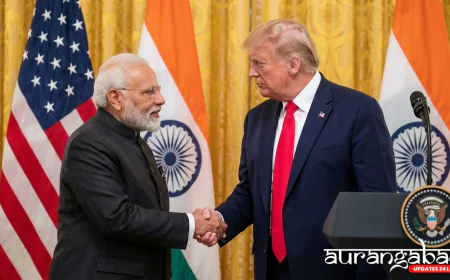
Viral videos depicted Prime Minister Narendra Modi performing the 'Garba' with uncanny realism, while others showed opposition leaders like Kamal Nath disparaging popular welfare schemes. While some of these were dismissed as parodies, they set a dangerous precedent. In a country with a vast and diverse electorate, the ability to put false words into the mouths of leaders can sway voter opinion and undermine the integrity of the democratic process. When reality can be synthesized, the truth becomes subjective.
The Financial Threat: The Voice on the Other End
Beyond politics, deepfakes pose a direct threat to the financial security of ordinary citizens. Finance Minister Nirmala Sitharaman recently sounded the alarm on the misuse of AI to orchestrate financial scams. Criminals are leveraging AI to clone voices and create lifelike videos of trusted figures—or even family members—to solicit money.
"I have seen several deepfake videos of myself being circulated online, manipulated to mislead citizens," Sitharaman stated. The technology has evolved to the point where a frantic call from a "relative" asking for urgent financial help could actually be a bot using cloned audio. With digital payments becoming the norm in India, this creates a fertile ground for high-tech fraud that bypasses traditional skepticism.
The Assault on Dignity: The Gendered Weaponization of AI
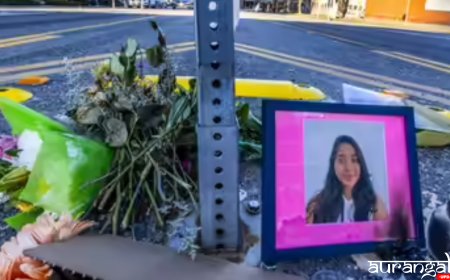
Perhaps the most violating application of this technology is its use against women. The viral deepfake video of actress Rashmika Mandanna, where her face was superimposed onto another woman's body in a compromising situation, sparked nationwide outrage.
Hany Farid, a professor at the University of California, Berkeley, and a leading expert on digital forensics, highlighted the dark origins of the term. "The very term 'deepfake' comes from a Reddit user who used it to create porn," Farid noted. He describes the shift to the term "Generative AI" as a clever rebranding by the tech industry to distance itself from these seedy origins.
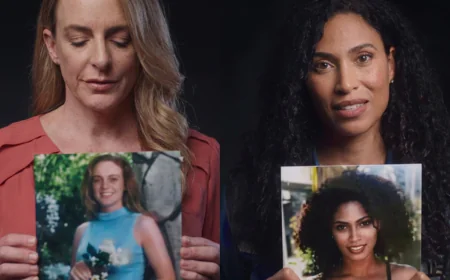
For women, the threat is personal. Non-consensual sexual imagery (NCII) created via AI is being used for harassment, blackmail, and character assassination. In a society where reputation is paramount, the ability to fabricate compromising material with a few clicks is a terrifying weapon.
The Evolution of Deception
The technology is advancing faster than our ability to detect it. "Deepfakes began in 2016. Back then, it was a joke. But the technology has only gotten better," says Prof. Farid. We have moved past simple photoshopped face swaps to sophisticated lip-sync fakes, where the audio and visual movements match perfectly, making them nearly indistinguishable from reality to the naked eye.
This leads to what experts call the "Liar's Dividend." As deepfakes become common, bad actors can dismiss genuine incriminating evidence as "fake" or "AI-generated." When everything can be faked, the public may stop believing anything at all, leading to a state of apathy and confusion.
Armouring Up: The Path Forward
With over 97% of India's urban youth consuming content online, the need for intervention is urgent. The solution requires a multi-pronged approach:
-
Legal Frameworks: India needs stringent laws that specifically address AI-generated misinformation and non-consensual imagery, holding platforms and creators accountable.
-
Digital Literacy: "Don't Get Scammed" is not just a slogan but a survival skill. Citizens must be educated to verify sources, question sensational content, and use tools to detect manipulation.
-
Technological Safeguards: Prof. Farid suggests, "We need to label everything as real or not real." Watermarking AI-generated content and mandatory disclosures are essential steps to maintain an ecosystem of trust.
In conclusion, while Generative AI offers immense creative potential, its weaponization demands vigilance. As the boundaries of reality dissolve, skepticism is our best defense. If we don't know what is real, we cannot know what is false—and in that ambiguity lies the greatest threat to our digital future.