









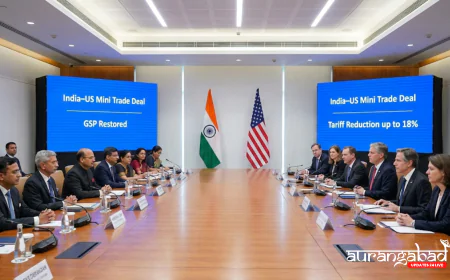















India-US Trade Deal: Agriculture & Dairy Shielded as 'Mini Pact' Finalized – What to Expect
India and the US are weeks away from signing a historic 'mini trade deal'. New Delhi has successfully shielded its sensitive agriculture and dairy sectors while offering market access for fruits and medical devices. Read the full analysis of the India-US trade pact 2026.

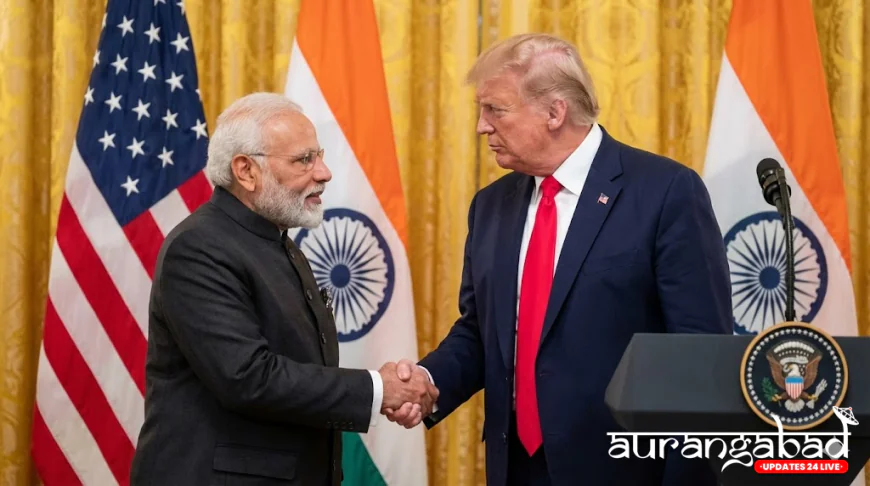
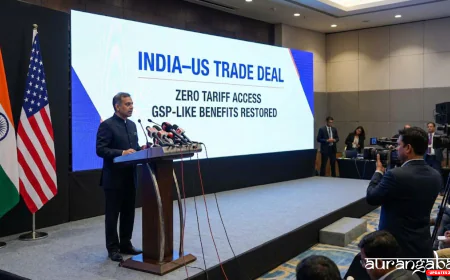
New Delhi / Washington: After years of negotiations, tariffs wars, and diplomatic back-and-forth, India and the United States are on the verge of signing a significant, albeit limited, trade agreement. According to top government sources, the deal is in its final stages and could be announced within "weeks."
The biggest takeaway for Indian farmers and cooperatives is a sigh of relief: India has reportedly managed to shield its sensitive agriculture and dairy sectors from duty cuts, a long-standing demand from Washington that New Delhi has firmly rejected. Instead, the deal focuses on "low-hanging fruits" to resolve immediate trade irritants.
What’s on the Table? (The 'Give and Take')
This "mini trade deal" is designed to be a win-win, addressing specific grievances from both sides without diving into the complex territory of a full Free Trade Agreement (FTA).
1. What India Gives (US Gains):
-
Medical Devices: India is expected to streamline its "Trade Margin Rationalization" (TMR) policy. This will allow US companies to sell high-end medical devices (like stents and knee implants) in India at better prices, addressing a major complaint from American pharma giants.
-
Market Access for Fruits: India may reduce tariffs on specific US agricultural products like apples, almonds, walnuts, and cherries. This is a significant win for farmers in states like Washington and California, who were hit hard by India's retaliatory tariffs in 2019.
-
Information & Communication Technology (ICT): Some concessions on ICT products are also on the cards, which could lower the cost of certain electronics.
2. What India Gets (India Gains):
-
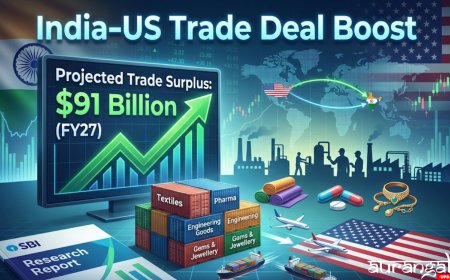
Restoration of GSP: The crown jewel for India in this deal is the likely restoration of the Generalized System of Preferences (GSP) status.
-
Context: The Trump administration revoked India's GSP tag in 2019, which allowed duty-free entry for thousands of Indian goods (like textiles, gems, and engineering parts) into the US. Its return will boost Indian exporters by making their products competitive again.
-
-
Market Access for Mangoes & Grapes: Indian mangoes and table grapes could see easier entry into the US market with the resolution of long-pending phytosanitary (hygiene) issues.
The 'Red Lines': Why Dairy and Agriculture Were Shielded
The negotiations hit a wall whenever the US pushed for access to India's vast dairy and agricultural markets.
-
The Dairy Dilemma: The US wanted to export dairy products to India. However, India refused because US cattle are often fed blood meal (animal-derived feed), which is culturally unacceptable in India for religious reasons. Furthermore, allowing cheap US dairy imports would devastate India's millions of small-scale dairy farmers.
-
Agriculture Protection: Similarly, opening the door to subsidized US grains would threaten the livelihoods of Indian farmers. Government officials made it clear that these sectors are "non-negotiable red lines."
Why Now? The Strategic Timing
The timing of this deal is crucial. With the global economy facing headwinds and supply chains shifting away from China, both New Delhi and Washington are keen to deepen their economic bond.
-
Bilateral Trade Boom: The US is already India's largest trading partner, with bilateral trade crossing $190 billion. This mini-deal serves as a trust-building measure for a more comprehensive FTA in the future.
-
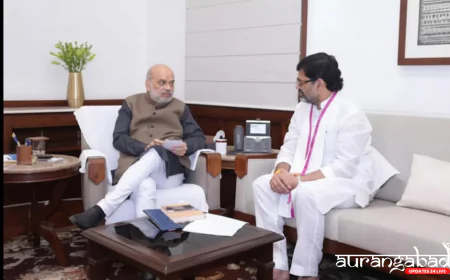
Political Will: The recent meetings between Commerce Minister Piyush Goyal and US Trade Representative Katherine Tai have accelerated the process, signaling strong political will from the Biden administration and the Modi government.
Conclusion
While this is not a full-fledged Free Trade Agreement, the "mini deal" is a significant milestone. By successfully protecting its vulnerable agrarian economy while securing the return of GSP benefits, India seems to have negotiated a balanced pact. As the final text is being polished, exporters on both sides are getting ready to pop the champagne—or perhaps, in this case, a carton of Indian mango juice and a bowl of California almonds.