



































Gulf Escalation: Saudi Arabia Strikes Yemen Port; UAE Intercepts Houthi Ballistic Missile
Tensions flare in the Middle East as Saudi-led coalition warplanes strike Houthi-controlled ports in Yemen following a ballistic missile attack on the UAE. Read the full report on the December 30, 2025 escalation and its geopolitical implications.

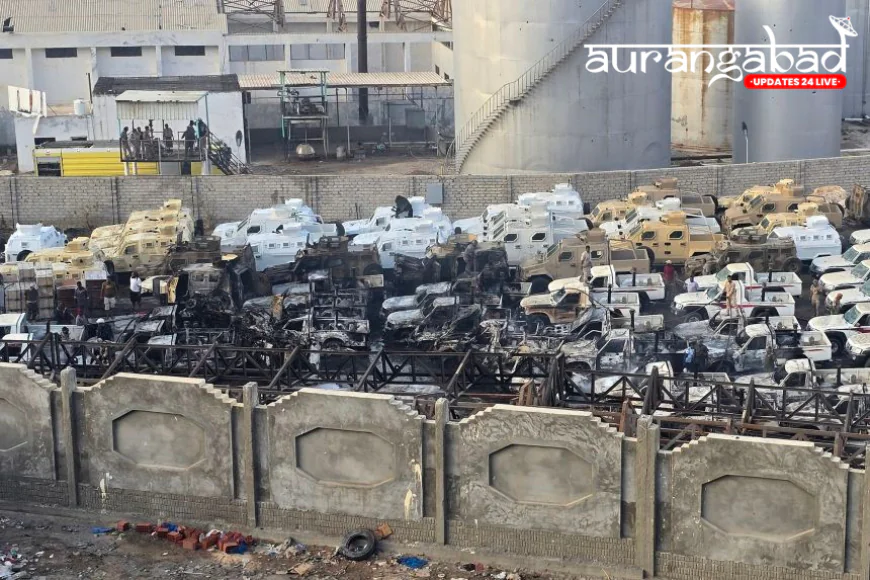
Riyadh / Abu Dhabi: The fragile stability of the Arabian Gulf faced a severe test on Tuesday, December 30, 2025, as a rapid sequence of military escalations threatened to plunge the region back into full-scale conflict. In a significant retaliatory move, Saudi-led coalition warplanes launched heavy airstrikes against Houthi-controlled ports in Yemen, just hours after the United Arab Emirates (UAE) successfully intercepted a ballistic missile targeting its territory.
The dual incidents mark one of the most serious flare-ups in the long-running conflict this year, shattering months of relative calm and raising international concerns about the safety of global energy supply routes and the deepening humanitarian crisis in Yemen.
The Trigger: Missile Over the Emirates
The chain of events began early Tuesday morning when air raid sirens wailed across parts of the UAE. According to the Emirati Ministry of Defense, their air defense systems—comprising advanced Patriot and THAAD batteries—successfully intercepted and destroyed a ballistic missile launched by Houthi rebels from Yemen.
Target: The missile was reportedly aimed at critical infrastructure, though authorities did not specify the exact target.
Debris: The Ministry confirmed that shrapnel and debris from the intercepted missile fell over unpopulated areas, causing no casualties or significant structural damage.
Statement: "The UAE air defenses are fully prepared to deal with any threats," the Ministry stated, affirming that "all necessary measures are being taken to protect the nation from attacks."
This attempted strike on the UAE, a key business and tourism hub, is seen as a Houthi attempt to expand the conflict zone and pressure the Saudi-led coalition by targeting its key partners.
The Retaliation: Port of Hodeidah in Flames
In a swift and "painful" response, the Saudi-led coalition announced the launch of a comprehensive military operation. Fighter jets carried out precision airstrikes on the port city of Hodeidah and the port of Salif in western Yemen, both of which are under Houthi control.
The coalition, in a statement carried by state media, described the ports as "legitimate military targets."
Accusations: The coalition accused the Houthi militia of using these ports not for humanitarian aid, but as launchpads for explosive-laden boats and assembly hubs for Iranian-supplied ballistic missiles and drones.
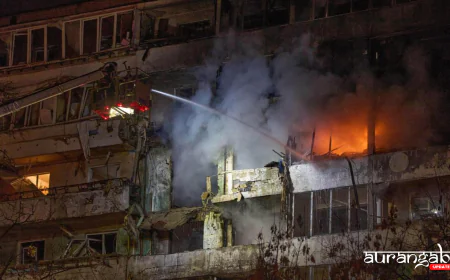
The Damage: Local sources and videos circulating on social media showed massive plumes of black smoke rising from fuel depots and warehouses near the Hodeidah port.
Strategic Impact: The strikes are intended to cripple the Houthis' ability to import weapon components, but aid organizations warn that hitting Hodeidah—the principal entry point for food and medicine into Yemen—could have catastrophic consequences for millions of civilians on the brink of famine.
The Houthi Narrative
A spokesperson for the Houthi military wing appeared on the group's Al-Masirah TV to claim responsibility for the missile fired at the UAE. He termed the attack a "warning shot" against what he called "continued aggression and siege" by the coalition. The group vowed further attacks on "sensitive sites" in both Saudi Arabia and the UAE if the airstrikes did not cease immediately.
Geopolitical Implications
This resurgence of violence comes at a critical time.
Energy Security: With global oil markets already volatile in late 2025, attacks on major producers like Saudi Arabia and the UAE send jitters through the global economy. The safety of the Bab el-Mandeb strait, a crucial shipping lane, is once again in question.
Diplomatic Failure: The escalation signals a breakdown in the back-channel talks that had been ongoing between Riyadh and the Houthis. It appears the "truce-like" state that held for parts of 2024 and 2025 has effectively collapsed.
US Role: The United States has condemned the Houthi attack on the UAE. Washington reaffirmed its commitment to the defense of its Gulf partners, with the Pentagon stating it is "monitoring the situation closely."
Humanitarian Outcry
The United Nations has expressed deep alarm over the airstrikes on Hodeidah. UN envoys have repeatedly stressed that the port is a lifeline for Yemen, where nearly 80% of the population relies on imported aid to survive.
"Targeting port infrastructure, regardless of the military justification, puts millions of innocent lives at risk of starvation," a UN humanitarian coordinator warned. The international community is now calling for immediate de-escalation, fearing that a renewed air campaign will reverse the limited humanitarian gains made over the last two years.
Conclusion
As 2025 draws to a close, the skies over the Southern Arabian Peninsula are once again filled with the sounds of interceptors and airstrikes. The interception by the UAE demonstrates high military readiness, but the subsequent strikes on Yemen's ports highlight the brutal cycle of this war: every missile fired leads to a heavier bombardment, with civilians often paying the highest price.