






















India-US Trade Deal Explained: Zero Duty on Exports, Farmers Shielded & The '18% Boost' Factor
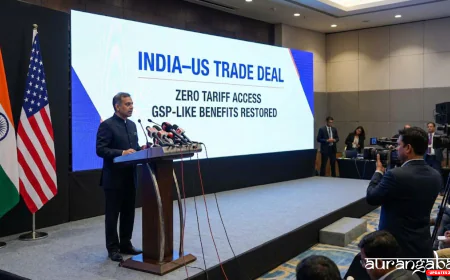
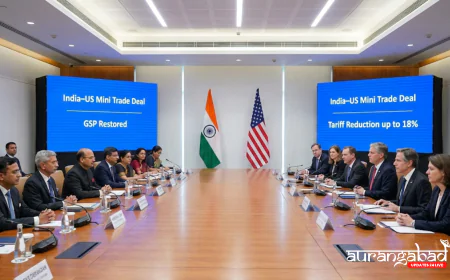
The India-US 'mini' trade deal is a game-changer for Indian exporters. With the likely restoration of GSP benefits, sectors like gems, jewelry, and engineering could see an 18% boost in competitiveness. Meanwhile, India successfully shields its dairy and agriculture sectors. Read the full analysis.

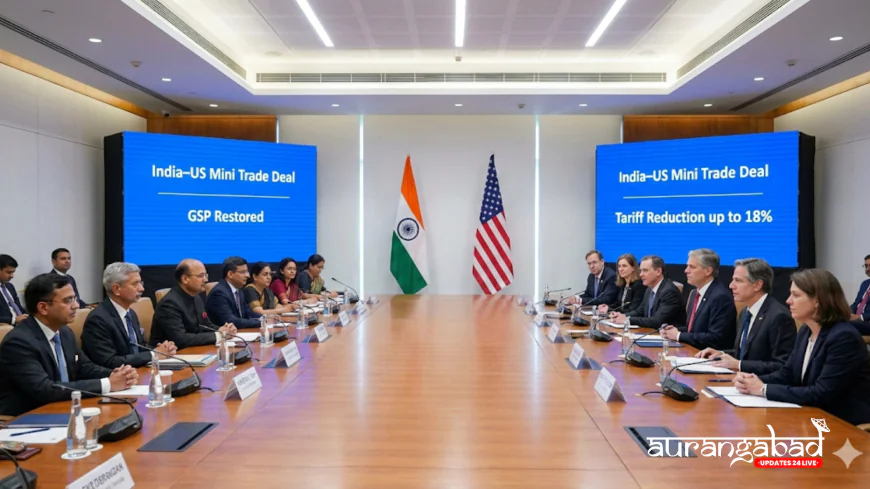
New Delhi / Washington: The long-awaited trade truce between New Delhi and Washington is finally taking shape, and early analysis suggests a significant victory for Indian negotiators. The "mini trade deal," which is expected to be signed shortly, addresses years of friction between the two economic giants.
The headline for India is clear: "Export Boost with Domestic Protection." According to detailed reports, the deal effectively restores the Generalized System of Preferences (GSP) benefits for Indian exporters while keeping the sensitive agriculture and dairy sectors firmly behind a protective wall.
Here is a detailed breakdown of how this deal impacts the Indian economy, specific sectors, and the common man.
1. The '18% Boost' for Indian Exporters
The biggest takeaway from the deal is the restoration of GSP status.
-
What is GSP? It is a preferential trade program that allows developing countries like India to export goods to the US duty-free (zero tariffs). The Trump administration revoked this in 2019, arguing India wasn't providing "equitable and reasonable" access to its markets.
-
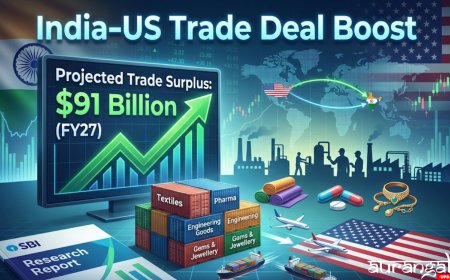
The Impact: Without GSP, Indian goods faced import duties ranging from 3% to 15% in the US. With its restoration, Indian products immediately become 10% to 18% cheaper for American buyers compared to competitors like China or Vietnam.
-
Winning Sectors: The sectors that will benefit the most include:
-
Gems & Jewellery: A massive employment generator in Surat and Mumbai.
-
Engineering Goods: Auto components and machinery parts.
-
Chemicals & Textiles: These sectors operate on thin margins; the removal of US tariffs will directly boost their profitability and export volume.
-
2. Agriculture and Dairy: The 'Red Line' Held
One of the most contentious points in the negotiation was the US demand for access to India’s massive dairy and agricultural markets.
-
The US Demand: American negotiators pushed hard to sell US dairy products (milk, cheese) and grains (wheat, soy) in India.
-
India’s Defense: Indian officials successfully argued that allowing subsidized US agriculture would destroy the livelihoods of millions of small and marginal farmers in India.
-
The Outcome: Agriculture and Dairy have been kept completely out of the deal. Indian farmers can breathe a sigh of relief as cheap American imports will not flood the local mandis. Furthermore, the concern over "blood meal" (animal-derived feed used in US dairy farming) was a cultural red line that India refused to cross.
3. What Did India Give? (The Quid Pro Quo)
A trade deal is never one-sided. To get GSP back, India has offered concessions in specific non-agricultural areas.
-
Medical Devices: India has agreed to a Trade Margin Rationalization (TMR) policy. This allows US companies to sell high-end medical devices (like stents, knee implants, and pacemakers) at higher, yet regulated, prices in India. This resolves a long-standing complaint from US pharma giants about India’s strict price caps.
-
US Fruits (Apples & Walnuts): India will likely remove the "retaliatory tariffs" it imposed in 2019 on US apples, almonds, and walnuts. This will make American dry fruits and Washington apples cheaper for Indian consumers, though it might increase competition for apple growers in Himachal Pradesh and Kashmir.
4. Strategic Timing and Economic Outlook
The timing of this deal (February 2026) is crucial.
-
China Plus One: As the US looks to diversify its supply chain away from China, this deal positions India as the preferred alternative.
-
Bilateral Trade Target: The deal is a stepping stone towards the ambitious goal of reaching $500 billion in bilateral trade. Currently, the US is already India's largest trading partner, and this pact removes the "irritants" that were slowing down faster growth.
Conclusion
This trade deal is a classic example of "pragmatic diplomacy." India has managed to secure a competitive edge for its industrial exports (creating jobs in manufacturing) without sacrificing the interests of its agrarian workforce. While US apples might get cheaper in Indian supermarkets, the fact that Indian jewelry and auto parts will now flow tariff-free into the US is a trade-off that economists believe is overwhelmingly in India's favor.