

























India-US Trade Pact: Piyush Goyal Lists Sectors for Zero-Tariff Exports – Gems, Textiles & Engineering to Boom
Commerce Minister Piyush Goyal has unveiled the list of Indian goods that will face zero tariffs in the US under the new trade deal. From gems and jewelry to textiles and engineering goods, find out which sectors are set to gain the most from the restoration of duty-free access.

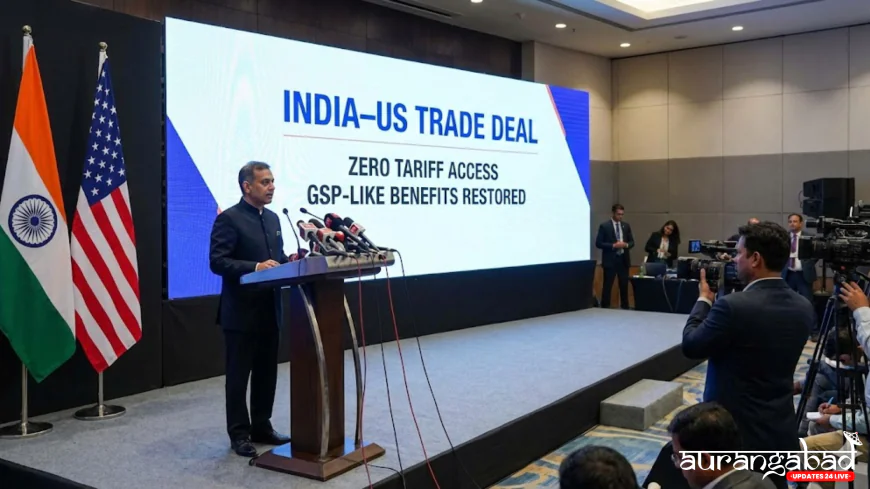
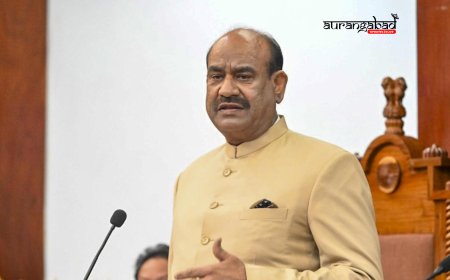
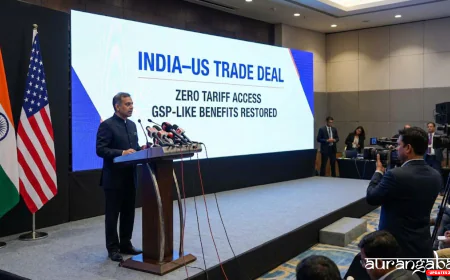
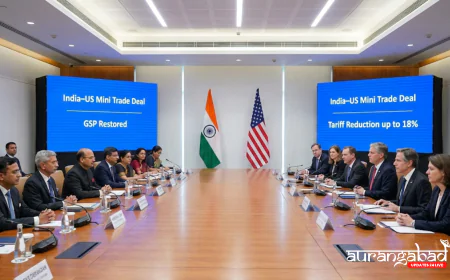
New Delhi: In a landmark announcement that is set to redefine the export landscape of the country, Union Commerce and Industry Minister Piyush Goyal has officially listed the sectors that will benefit from "Zero Tariff" access to the United States markets. Following the breakthrough in the India-US trade negotiations, the restoration of benefits similar to the Generalized System of Preferences (GSP) promises to be a game-changer for Indian manufacturers.
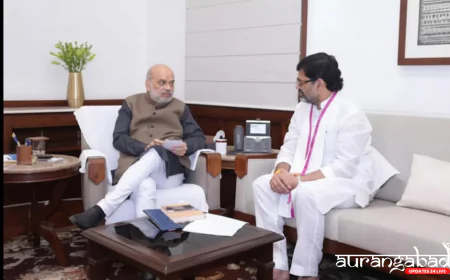
Speaking to the media and industry leaders on Saturday, Minister Goyal termed the development as a "victory for the Indian MSME sector," highlighting that the deal effectively removes the competitive disadvantage Indian exporters faced since the withdrawal of GSP in 2019.
The "Zero-Tariff" List: Who Benefits the Most?
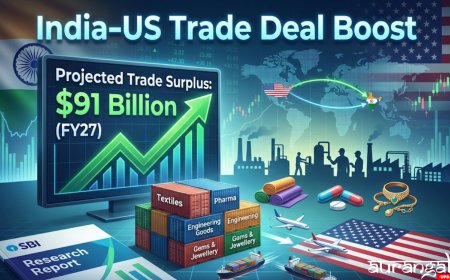
Minister Goyal provided a detailed breakdown of the labor-intensive sectors that will see immediate relief. These goods, which currently face import duties ranging from 3% to 15% in the US, will now enter the world's largest economy duty-free.
1. Gems and Jewellery:
-
The Impact: This sector is the biggest beneficiary. India is a global hub for diamond cutting and polishing (Surat) and jewelry manufacturing (Mumbai/Jaipur).
-
Goyal’s Take: "Our diamond and jewelry exporters were paying a significant duty, making them less competitive against countries with free trade agreements. This waiver will directly boost exports by billions of dollars and secure jobs for artisans."
2. Textiles and Apparel:
-
The Impact: The textile sector, which employs millions, has been struggling against competition from Bangladesh and Vietnam. The removal of tariffs will make Indian garments cheaper for American retailers like Walmart and Target.
-
Focus Areas: Readymade garments, home textiles (bedsheets, towels), and fabrics will see a surge in demand.
3. Engineering Goods:
-
The Impact: This broad category includes auto components, electrical machinery, and iron & steel products.
-
Significance: With the US looking to diversify supply chains away from China ("China Plus One" strategy), zero tariffs make Indian engineering parts the most attractive alternative for American automobile giants like Ford and GM.
4. Leather and Footwear:
-
The Impact: Leather shoes, bags, and accessories from hubs like Kanpur, Agra, and Chennai will now be more affordable in the US market. This is crucial as the sector is highly labor-intensive.
5. Chemicals and Pharmaceuticals:
-
The Impact: India is already the "Pharmacy of the World." Duty-free access will further consolidate India's position as the primary supplier of generic medicines and active pharmaceutical ingredients (APIs) to the US.
Strategic Implications: Beyond Just Trade
Piyush Goyal emphasized that this deal is not just about reducing taxes; it is about integrating India into the global value chain.
-
Competitiveness: "By removing the tariff barrier, we are leveling the playing field. Our quality was never in doubt; now our pricing will be unbeatable," Goyal asserted.
-
Employment: Since most of the benefited sectors (Textiles, Gems, Leather) are labor-intensive, the government estimates this move will create lakhs of new jobs over the next two years.
What India Gave in Return?
While celebrating the export boost, the Minister also clarified India's concessions to seal the deal.
-
Market Access: India has agreed to reduce tariffs on specific American agricultural products like almonds, walnuts, and apples.
-
Medical Devices: The long-standing friction over the pricing of US medical devices has been resolved through a "Trade Margin Rationalization" approach, ensuring affordability for Indian patients while giving market access to US companies.
The Road Ahead
With the deal set to be operationalized within weeks, export promotion councils are already gearing up. The Federation of Indian Export Organisations (FIEO) has projected that India’s exports to the US could jump by 15-20% in the current fiscal year alone thanks to these tariff cuts.
Conclusion: For the Indian economy, which is targeting the $5 trillion mark, the India-US trade deal acts as a turbocharger. By securing zero-duty access for its most vital industries, New Delhi has ensured that 'Make in India' is not just a slogan, but a globally competitive reality.