

























No More Winter Cricket in North India? Rajeev Shukla Sounds Alarm After Lucknow Fog Debacle
After the 4th Ind vs SA T20I in Lucknow was abandoned due to heavy fog and smog, BCCI VP Rajeev Shukla calls for a major policy shift. Learn why the board may stop scheduling matches in North India between Dec 15 and Jan 15.

Lucknow/New Delhi: The abandonment of the 4th T20 International between India and South Africa without a single ball being bowled has triggered a massive wake-up call for the Board of Control for Cricket in India (BCCI). Following the "smogged out" fixture at Lucknow's Ekana Stadium on Wednesday night, BCCI Vice-President Rajeev Shukla has publicly admitted the need for a drastic policy change regarding cricket scheduling in North India during the peak winter months.
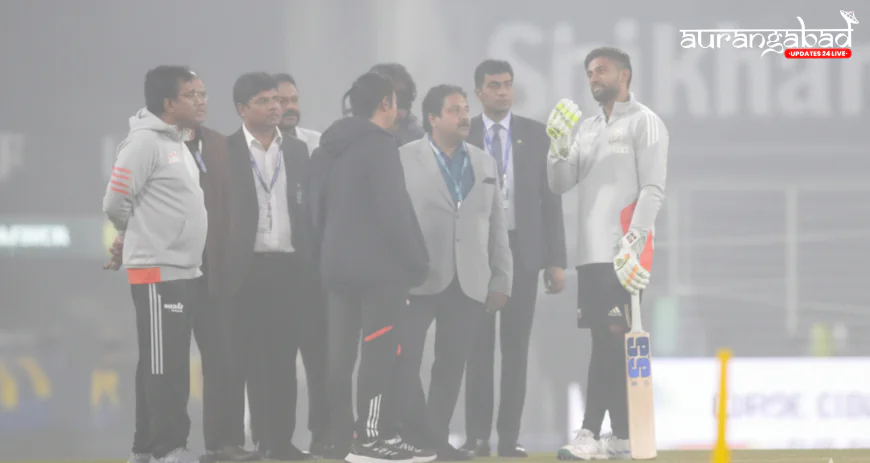
What was supposed to be a high-octane clash turned into a damp squib as dense fog—compounded by hazardous smog—engulfed the stadium, rendering visibility near zero. The fallout has led to a consensus: International cricket in North India between mid-December and mid-January may soon become a thing of the past.
The Lucknow Debacle: Fog or Smog?
The match, scheduled for a 7:00 PM start, never saw a toss. Umpires conducted six separate inspections over three hours, but the conditions only worsened. while the official reason cited was "excessive fog," the visuals told a more toxic story. Floodlights struggled to pierce through a thick grey blanket, and the Air Quality Index (AQI) in Lucknow hovered above 400, placing it firmly in the 'hazardous' category.
The severity of the situation was highlighted when Indian all-rounder Hardik Pandya was spotted wearing a surgical mask during the warm-up session—an image that quickly went viral and drew sharp criticism from health experts and fans alike.
Rajeev Shukla's "Alarm Bell" Statement
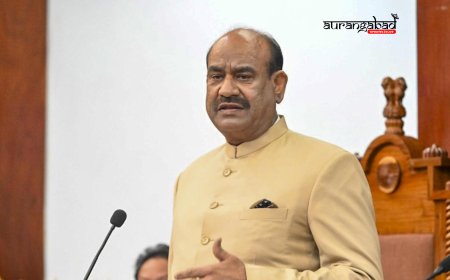
Acknowledging the logistical and environmental failure, Rajeev Shukla, who was present at the venue, stated that the board could no longer ignore the reality of North Indian winters.
In an interaction with the media, Shukla said, "The Lucknow T20I was cancelled, and everyone is disappointed. All preparations were in place... but fog is a very big problem from December 15 to January 15."
He further signaled a major shift in the BCCI's future itinerary planning:
"I feel that while rescheduling in the future, this aspect will also have to be kept in mind. We might have to stop scheduling matches in North India during this specific window and instead allocate them to venues in South or West India."
This statement marks the first time a top BCCI official has openly suggested a geographical blackout for international fixtures in the North during winter, terming the situation as an "emergency" that needs to be treated like one.
Political and Public Backlash
The scheduling blunder has also invited political scrutiny. Congress MP and avid cricket enthusiast Shashi Tharoor wasted no time in criticizing the decision to host a match in the smog-laden North.
Taking to social media, Tharoor argued that matches should be logically shifted to cities like Thiruvananthapuram (Kerala), where the AQI is significantly better (around 68) and weather conditions are conducive to cricket. "Why cheat cricket lovers?" Tharoor asked, pointing out that venues in the South are ready and available.
Samajwadi Party leader Akhilesh Yadav also weighed in, blaming the "Delhi pollution" reaching Lucknow and criticizing the administration for failing to manage the city's air quality.
The Science Behind the Ban
The "December 15 to January 15" window identified by Shukla is critical. During these weeks, the Indo-Gangetic Plain—covering venues like Mohali, Delhi, Lucknow, and Kanpur—experiences a phenomenon known as thermal inversion. Cold air traps pollutants (dust, vehicle emissions, crop smoke) close to the ground, creating a toxic smog that drastically reduces visibility and poses severe respiratory risks to elite athletes.
In the past, Ranji Trophy matches in the North have frequently been truncated due to bad light, but international washouts result in massive financial losses for broadcasters and disappointment for ticket-holding fans.
What Happens Next?
The abandonment means India retains their 2-1 lead in the five-match series. Both teams have now travelled to Ahmedabad for the series decider on Friday, December 19, 2025. The Narendra Modi Stadium in Ahmedabad, located in Western India, is expected to offer clear skies, validating Shukla's point about geographical rotation.
Key Takeaways for Future Scheduling:
-
No North Zone Matches: Venues like Delhi, Mohali, and Lucknow may be barred from hosting white-ball cricket (especially day-night games) in late December and January.
-
South & West Focus: Cities like Chennai, Bengaluru, Mumbai, and Thiruvananthapuram are likely to become the primary hubs for winter home seasons.
-
Day Games: If North India must host matches, the BCCI might revert to day-only Test matches, though even those are plagued by "bad light" delays.
Conclusion: The Lucknow washout is a harsh reminder that cricket cannot fight nature. With player safety and fan experience at stake, Rajeev Shukla's admission suggests that the BCCI is finally ready to align its calendar with India's diverse climate reality.