



























Stock Market Today: Sensex, Nifty End Flat as IT Stocks Crash; Check Top Gainers & Losers for Feb 4
Sensex and Nifty ended marginally higher on February 4, 2026, despite a massive crash in IT stocks like Infosys and TCS. While Trent and Adani Ports rallied, the tech sector bled due to AI fears. Check the full list of top gainers and losers here.

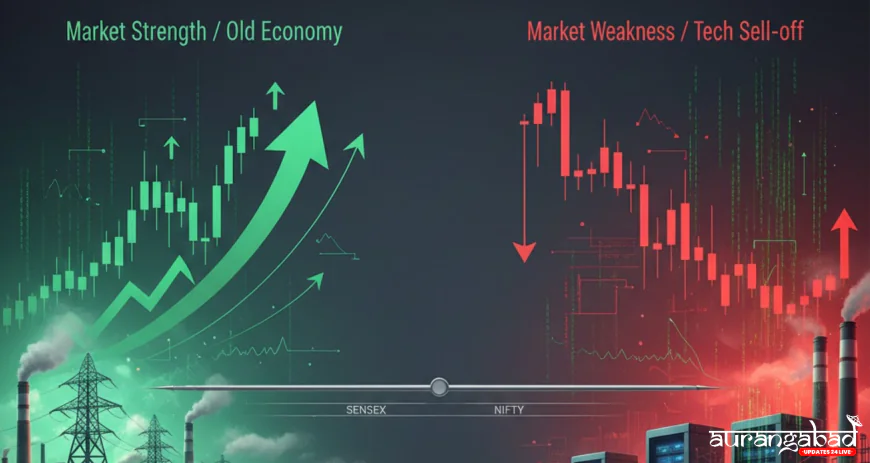
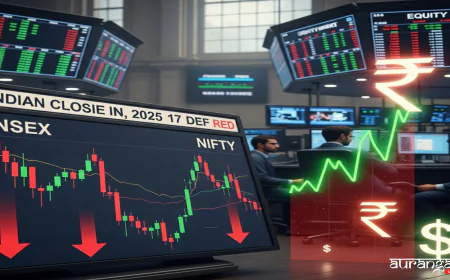
Mumbai: The Indian stock market witnessed a highly volatile session on Wednesday, February 4, 2026, as a sharp sell-off in technology stocks capped gains from the broader market. Despite positive global cues and a landmark India-US trade deal announcement, the benchmark indices ended the day strictly flat, saved only by robust buying in the consumer durables, power, and infrastructure sectors.
The BSE Sensex closed marginally higher by 78.56 points (0.09%) at 83,817.69, while the Nifty 50 managed to hold the 25,750-mark, settling 48.45 points (0.19%) higher at 25,776.
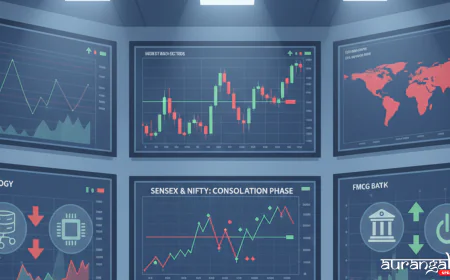
The session was defined by a brutal divide: while the "Old Economy" stocks (Power, Auto, Infra) rallied, the "New Economy" (IT) faced its worst single-day fall in months.
Top Gainers on NSE & BSE: The Market Savers
The rally was led by strong performances in the retail and power sectors.
-
Trent Ltd: The star performer of the day, surging nearly 5%. The Tata Group retailer continues its bull run, driven by aggressive expansion plans and strong quarterly numbers.
-
Eternal: This counter saw significant buying interest, rising over 5.13%, making it the top gainer on the Nifty 50.
-
ONGC: The state-run oil giant jumped 3.88% as global crude prices stabilized.
-
NTPC & Power Grid: Both power majors rallied over 2% each (NTPC up 2.43%, Power Grid up 2.19%) on hopes of higher power demand in the upcoming summer season.
-
Adani Ports & SEZ: Recovering from previous volatility, Adani Ports gained 2.43%, closing around ₹1,562, supported by strong cargo volume data.
-
Maruti Suzuki: The auto major rose 1.96%, crossing the ₹14,600 mark.
-
Titan Company: The jewelry and watchmaker gained 1.86%, closing at ₹4,135, signaling a revival in consumer discretionary spending.
Top Losers: The IT Sector Meltdown
The story of the day was the absolute carnage in the IT sector. The Nifty IT index crashed over 5.5%, wiping out thousands of crores in investor wealth. The trigger? Global concerns that new AI tools (specifically a new launch by US startup Anthropic) could severely disrupt the traditional business models of Indian service-based IT firms.
-
Infosys: The biggest loser of the day, crashing 7.26%. The stock faced heavy selling pressure as analysts downgraded revenue guidance.
-
TCS (Tata Consultancy Services): Not far behind, TCS plummeted 7.02%, dragging the Sensex down significantly.
-
HCL Technologies: Dropped 4.34% amid fears of client spending cuts in the US.
-
Tech Mahindra: Fell 4.15%, continuing its bearish streak.
-
Wipro: Shed 3.86%, closing in the red.
-
Axis Bank: Among the few banking names in the losers' list, dipping 1.30%.
Why Did the Market React This Way?
1. The "AI Fear" Factor: Sentiment in the IT sector turned sour after reports emerged that AI startup Anthropic unveiled a new workflow automation tool. Investors fear this technology could automate tasks currently outsourced to Indian IT majors, potentially eating into their margins and billable hours. This sparked a "sell-first, ask-questions-later" approach in tech stocks.
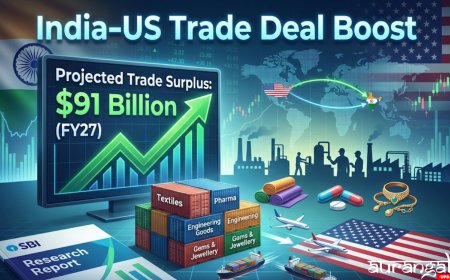
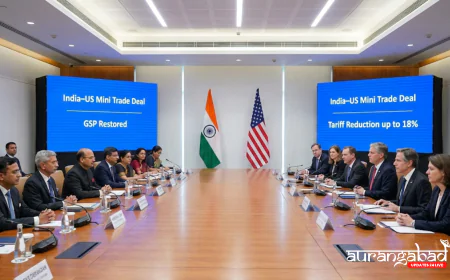
2. India-US Trade Deal Optimism: On the flip side, the market found support from the historic announcement that the US and India have agreed on a framework to reduce tariffs on Indian goods to 18%. This news significantly boosted export-oriented sectors like textiles, pharma (Sun Pharma rose 2.8%), and auto components.
3. Strong Services PMI: Domestic economic data provided a cushion. India's Services PMI rose to a two-month high of 58.5 in January, indicating that the domestic demand engine remains robust, which helped lift banking and consumer stocks.
Conclusion
February 4, 2026, will be remembered as a day of decoupling. While the IT sector faces an existential crisis driven by AI advancements, the rest of the Indian economy—driven by power, infrastructure, and consumption—continues to show resilience. Investors are advised to remain cautious with tech stocks while looking for opportunities in domestic-growth-oriented sectors.