



















Trump Doctrine 2025: US Views India as Key China Balancer Amid Trade & Visa Tensions
In the new 'China-First' world order of 2025, the US National Security Strategy labels India a vital strategic asset. However, the Trump Doctrine brings a mix of high-stakes security alignment and tough economic hurdles like H-1B hikes. Read the full analysis.

The Trump Doctrine 2.0: How the US Sees India in a 'China-First' World
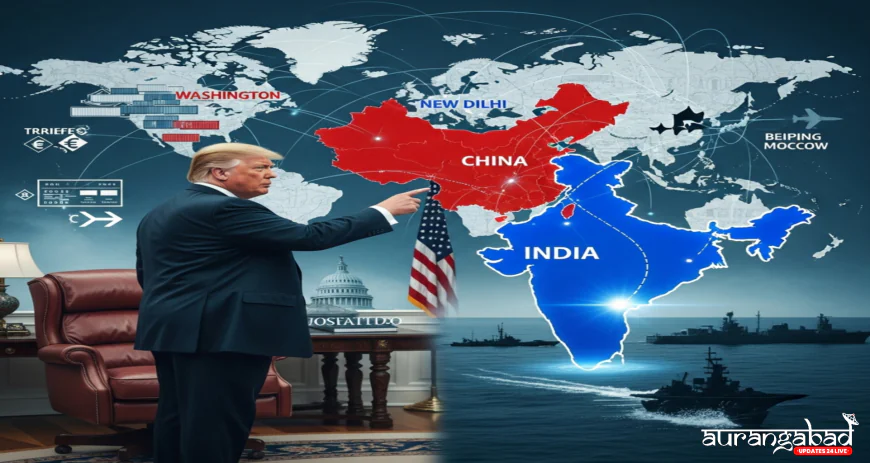
Washington/New Delhi: As 2025 draws to a close, the geopolitical landscape has shifted dramatically under the second Trump administration. The release of the new United States National Security Strategy (NSS) this week has cleared the fog surrounding Washington's view of New Delhi. The message is sharp and dual-edged: India is indispensable in the fight against Chinese dominance, yet it must navigate a minefield of "America First" economic policies.
The new "Trump Doctrine" views the world through a singular lens: China is the central adversary, and the Indo-Pacific is the primary battleground. In this high-stakes arena, India has been elevated from a regional partner to a critical "strategic node."
India: The Indispensable Counterweight
Unlike the diplomatic niceties of the past, the 2025 NSS is blunt. It identifies India as one of the few nations with the geographic scale, demographic weight, and military potential to physically and economically counterbalance China.
The doctrine moves beyond shared democratic values. Washington’s interest in India is now driven by hard realism. The US acknowledges that it cannot check Beijing's expansion alone.
Key Strategic Pillars:
-
Maritime Enforcer: The US expects India to play a more aggressive role in the Indian Ocean and the South China Sea. The NSS warns that Chinese control over these waters could allow Beijing to "impose de facto tolls" on global trade. Consequently, India is being pushed to expand its naval footprint and "freedom of navigation" missions.
-
The Quad as Action, Not Talk: The Quadrilateral Security Dialogue (Quad) is no longer just a diplomatic forum. The Trump administration views it as a hard security mechanism for maritime surveillance and logistics, specifically designed to break China’s chokehold on critical sea lanes.
-
Supply Chain Alternative: India is positioned as the primary alternative for manufacturing. Washington wants to sever reliance on Chinese factories, and India’s vast industrial potential is seen as the "investment windfall" that can make this decoupling possible.
The Economic 'Trump Card': Tariffs and Visas
While the security alignment is robust, the economic relationship faces severe turbulence. The "Trump Doctrine" does not distinguish between friend and foe when it comes to trade deficits.
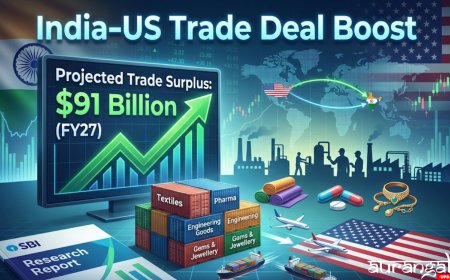
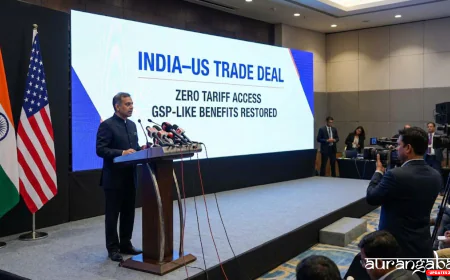
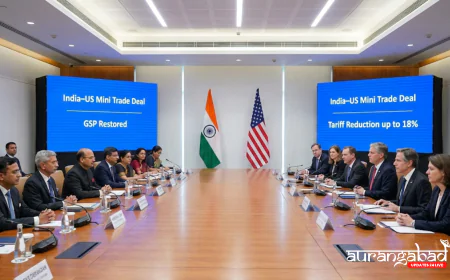
1. The Tariff Wall: Consistent with his "reciprocal trade" philosophy, President Trump has targeted Indian exports with steep tariffs, a move that has rattled sectors from textiles to pharmaceuticals. The administration’s logic is simple: security cooperation does not grant immunity from economic "fairness." India is under immense pressure to lower its own barriers or face continued punitive duties.
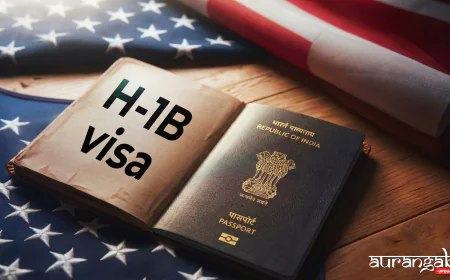
2. The H-1B Shock: Perhaps the biggest blow to the people-to-people connect has been the radical overhaul of the H-1B visa regime. With application fees skyrocketing to $100,000 and stricter eligibility norms introduced in late 2025, the "America First" labor policy is hitting Indian IT professionals hardest.
This creates a complex paradox: Washington wants India’s best minds to collaborate on high-tech defense and AI (Artificial Intelligence) to beat China, yet it is simultaneously erecting walls against Indian talent entering the US workforce.
Tech, Minerals, and the 'Quiet Alignment'
A significant portion of the new doctrine focuses on the "Tech-Minerals-Economic" triangle. The US is aggressively building coalitions to secure critical minerals—essential for everything from fighter jets to electric vehicles—outside of China's orbit.
India is expected to be a key partner in this "Technological Industrial Base." The US wants joint ventures in:
-
Semiconductors & AI: Breaking Beijing's tech supremacy.
-
Jet Engines & Drones: Transfer of technology is on the table, but it comes with the caveat of "quiet alignment."
Washington accepts that India will likely never sign a formal military alliance or host US bases. However, it demands "interoperability"—meaning Indian and US military systems must be able to "plug and play" together during a conflict.
The Russia Factor
The NSS also signals a shrinking patience for India's historical defense ties with Russia. With the US framing global politics as a contest between the "Free World" and "Revisionist Powers" (China and Russia), New Delhi’s neutrality is being tested. The doctrine suggests that for India to access top-tier American tech, it must accelerate its decoupling from Russian military hardware.
Conclusion: A High-Stakes Bargain
For India, the Trump Doctrine of 2025 presents a familiar dilemma but on a much grander scale. The opportunity is immense: to become a global manufacturing hub and a leading maritime power with US support. But the cost is equally high: navigating unpredictable tariffs, restrictive visa policies, and intense pressure to pick a side in the US-China Cold War.
As 2026 approaches, the India-US relationship is no longer just about "strategic partnership"—it is a transactional, high-pressure marriage of necessity.